Cloud Water Filters Review: Is Cloud RO Worth It?
If you want cleaner drinking water without relying on bottled water, an under-sink reverse osmosis system can be a practical choice. Cloud Water Filters focuses on making this type of filtration more convenient with a compact design, smart monitoring, and a multi-stage filtration system. Its main offering, Cloud RO, is built for households that want advanced drinking water filtration without a complicated daily routine.
This Cloud Water Filters review takes a closer look at the brand, Cloud RO's features, filtration performance, installation, maintenance, pricing, and overall value to help you decide if it fits your home.
Brand Overview
Cloud Water Filters is a water filtration company focused on residential drinking water systems. Instead of offering a wide range of unrelated filtration products, the brand puts its attention on making reverse osmosis easier to use and maintain.
Its main product, Cloud RO, is an under-sink reverse osmosis system designed to filter drinking water at the point of use. According to Cloud, the system is NSF 58 certified and can remove up to 99% of certain contaminants.
The brand also provides a tap water quality tool that lets shoppers check reported water quality information for their area. This is a useful feature because water quality can vary significantly between locations.
Cloud RO Review: What Does It Offer?
Cloud RO combines several filtration stages in one under-sink system. It is designed to address common concerns about tap water while keeping the filtration process relatively simple for the user.
The system includes:
- Sediment filtration
- Carbon block pre-filtration
- Reverse osmosis membrane filtration
- Remineralization
- A dedicated drinking water faucet
- Smart filter monitoring
- A 2.8-gallon holding tank
Cloud says the system can target substances such as lead, fluoride, PFAS, pesticides, pharmaceuticals, and microplastics. Its NSF 58 certification provides an additional level of confidence around the system's reverse osmosis performance.
However, no filtration system should be viewed as a universal solution for every water concern. Checking your local water quality before purchasing is a smart step.
Multi-Stage Filtration for Cleaner Drinking Water
The biggest reason to consider Cloud RO is its reverse osmosis filtration. RO technology pushes water through a semi-permeable membrane to reduce many dissolved contaminants.
Cloud combines this membrane with other filtration stages. The sediment filter helps capture larger particles, while the carbon filter provides additional treatment before water reaches the RO membrane.
This layered approach gives Cloud RO an advantage over simpler pitcher filters that generally focus on a smaller range of contaminants.
For households that want more comprehensive drinking water filtration, this can make an under-sink RO system worth considering.
Remineralization Adds Another Layer
One potential drawback of reverse osmosis is that the process removes minerals along with many unwanted substances. Cloud addresses this with a remineralizing post-filter.
According to Cloud, the system adds small amounts of minerals including calcium, magnesium, potassium, sodium, and zinc after the RO process.
This can appeal to people who prefer the taste of mineralized water. It also gives the system a more complete filtration approach rather than stopping immediately after reverse osmosis.
Smart Monitoring Makes Maintenance Easier
Filter maintenance is one of the less exciting parts of owning a water filtration system. Cloud tries to simplify it with smart monitoring.
The system can track water use and filter performance, helping users know when replacement is needed instead of relying only on a calendar reminder.
Cloud says its filters typically last around one year, although actual lifespan depends on water quality and household usage. The filter design also aims to make replacement easier without requiring users to work directly with the plumbing.
That convenience can be particularly useful for people who want advanced filtration but do not want a demanding maintenance routine.
Installation and Everyday Use
Cloud RO is designed to sit beneath the kitchen sink and connect to a dedicated drinking water faucet. Cloud states that installation generally takes around 30 to 60 minutes for someone with basic under-sink plumbing knowledge.
The system does not require a traditional electrical connection. Cloud uses a battery-powered setup for its smart features.
Before purchasing, it is worth checking the available space beneath your sink. You should also make sure your existing plumbing setup can accommodate the system and its dedicated faucet.
For many kitchens, the under-sink design keeps the main filtration equipment out of sight while providing filtered water directly at the sink.
Cloud RO Price and Value
Cloud lists Cloud RO at a premium compared with basic countertop filters and water pitchers. The brand has also offered promotional pricing, so the final cost can vary depending on the current deal.
The system includes a five-year warranty, while replacement filters create an ongoing ownership cost. Cloud also states that the system is HSA/FSA eligible.
Whether the price makes sense depends on what you want from a water filter. If you only need basic taste improvement, a simpler filter may be enough. If you want reverse osmosis, remineralization, smart monitoring, and easier maintenance in one system, Cloud RO offers a more feature-rich option.
Cloud Water Filters: Pros and Cons
Pros
- NSF 58 certified reverse osmosis system
- Multi-stage filtration
- Designed to reduce a wide range of contaminants
- Remineralization stage
- Smart filter monitoring
- Dedicated stainless steel faucet
- Compact under-sink design
- Five-year warranty
- Cloud states a 1:1 water waste ratio
Cons
- Higher upfront cost than basic filters
- Requires under-sink installation
- Replacement filters add ongoing costs
- Not designed to filter water throughout the entire home
- Available features may be more than some households need
Is Cloud RO Right for You?
Cloud RO makes the most sense for households that want advanced drinking water filtration without buying bottled water regularly.
It can be a strong option if you are concerned about contaminants in your tap water, want reverse osmosis filtration, or prefer a system that monitors filter performance for you.
On the other hand, it may not be the right choice if you only want a basic filter for improving taste or if you need whole-home water treatment. Cloud specifically positions Cloud RO as a drinking water system rather than a whole-house solution.
Frequently Asked Questions
Is Cloud RO a reverse osmosis system?
Yes. Cloud RO is an under-sink reverse osmosis system that uses multiple filtration stages and a remineralizing post-filter for drinking water.
How often do Cloud RO filters need replacement?
Cloud states that its filters generally last about one year, although actual replacement timing depends on household water quality and usage. The system's smart monitoring features can help users track filter condition.
Does Cloud RO add minerals back to water?
Yes. Cloud's remineralizing filter adds minerals such as calcium, magnesium, potassium, sodium, and zinc after the reverse osmosis process.
Can Cloud RO filter water for the entire house?
No. Cloud RO is designed for drinking water at the sink. It is not a whole-house filtration system for showers, baths, laundry, or other household water sources.
Cloud Water Filters takes a modern approach to under-sink reverse osmosis by combining advanced filtration with features designed to make ownership easier. Cloud RO offers multi-stage filtration, remineralization, smart monitoring, and a five-year warranty, giving it a strong feature set for households focused on drinking water quality.
The higher price may not suit everyone, especially if basic filtration is all you need. However, shoppers looking for a more complete RO system with convenient maintenance features should consider Cloud RO. Checking your local water quality and comparing the current system and filter costs can help you make a more informed decision.
For more Lifestyle tips, check out FreshCradle
Related Blogs

Best PARKE Clothing Picks for Everyday Style and Comfort
Explore PARKE clothing, from everyday denim and cozy sweatshirts to versatile dresses and relaxed essentials. Discover popular styles, outfit ideas, and practical shopping tips to help you choose pieces that fit your personal style and daily routine.
See More
Best Schutz Shoes for Everyday and Special Occasion Looks
Explore Schutz shoes for every occasion, from statement sandals and elegant pumps to versatile flats and boots. Compare popular styles, find outfit inspiration, and learn how to choose footwear that suits your wardrobe, comfort preferences, and lifestyle.
See More
Best Vince Camuto Shoes and Styles for Every Occasion
Discover Vince Camuto shoes for every occasion, from polished pumps and statement sandals to versatile knee-high boots. Compare popular styles, explore outfit ideas, and learn how to choose footwear that suits your wardrobe, comfort needs, and lifestyle.
See More
Best Ruggable Rugs for Every Room and Home Style
Discover Ruggable rugs for different rooms and decor styles, from versatile neutral designs to colorful patterns and plush textures. Compare popular options and learn how to choose a rug that fits your space, comfort needs, and cleaning routine.
See More
3 Best Front Door Cover Picks by GarageBuddy to Give Your Home Instant Holiday Cheer
Turning your entryway for the holidays does not require wrestling with nails, tape, or tedious cleanup. A vibrant front door cover gives your home instant curb appeal using a tool-free slip-on design that installs in seconds, instantly elevating your home to match the joy of each holiday season.
See More
Top Raena Stones Jewelry for Timeless Everyday Style
Discover the top Raena Stones jewelry picks that combine timeless elegance, comfort, and modern style. Explore versatile accessories perfect for everyday wear and special occasions.
See More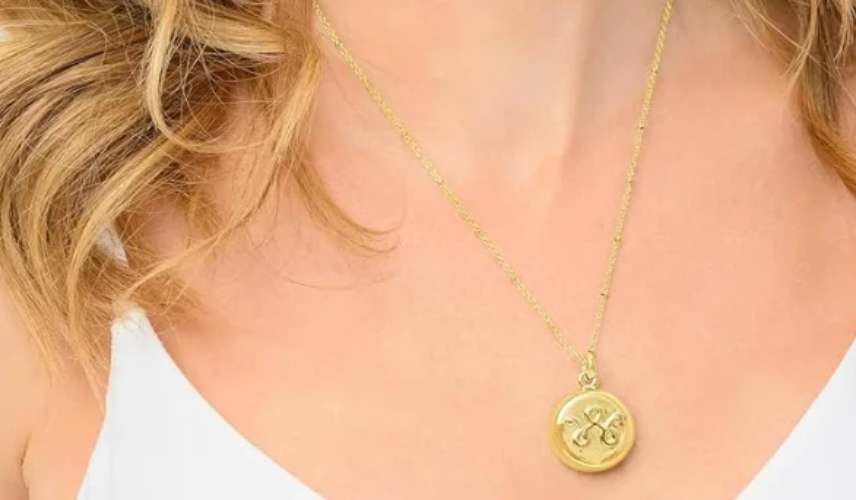
InvisaWear Necklaces For Women That Look Like Jewelry But Act Like A Safety Plan
Solo walks, late shifts, rideshares, first dates. These necklaces keep support close without loud tech.
See More
Kanel Bouquets that Turn Everyday Moments Into Memorable Gifts
Choosing flowers sounds simple until the occasion arrives. These bouquet ideas from Kanel help match the moment with the right arrangement.
See MoreRecent Blogs